

The Ultimate Guide to Selecting Materials for Climate-Resilient Homes
Building a climate-resilient home is essential to withstand the increasing challenges posed by climate change. One crucial aspect of constructing such a home is selecting the right materials that can withstand extreme weather conditions, promote efficient Green Energy consumption, and reduce environmental impact. This article provides essential tips for choosing materials for your climate-resilient home: durability and resistance, thermal performance, sustainability, and local context.
Durability and Resistance
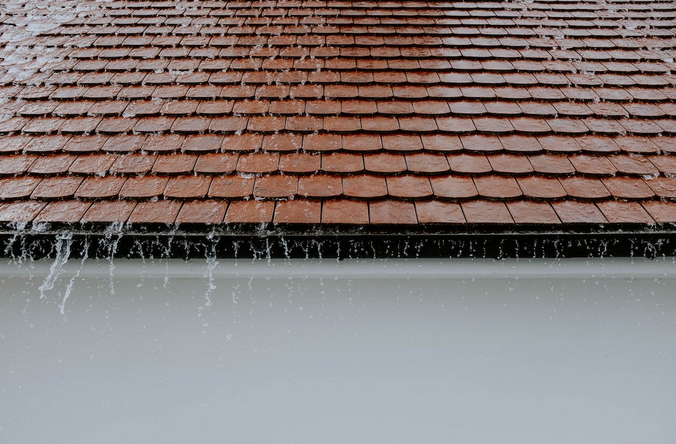
When selecting materials for a climate-resilient home, prioritize durability and resistance to withstand harsh weather conditions. Consider materials capable of withstanding high winds, heavy rainfall, extreme temperatures, or even wildfires, depending on your specific region’s climate risks. For example, opt for impact-resistant windows, reinforced roofing materials, and sturdy siding options. Additionally, choose materials with resistance to mold, rot, and pests, as these issues can be exacerbated by changing climate patterns. Investing in durable and resilient materials ensures the longevity and structural integrity of your home in the face of climate-related challenges.

Thermal Performance
Thermal performance is crucial for maintaining a comfortable indoor environment while minimizing energy consumption. Look for materials that offer excellent insulation properties to regulate temperature fluctuations and reduce reliance on heating and cooling systems. High-performance insulation materials, such as spray foam or cellulose insulation, help prevent energy loss and maintain stable indoor temperatures. Additionally, consider materials with low thermal conductivity, such as insulated concrete forms or double-glazed windows, to further enhance energy efficiency. Choosing materials that optimize thermal performance not only promotes occupant comfort but also reduces energy costs and greenhouse gas emissions.
Sustainability
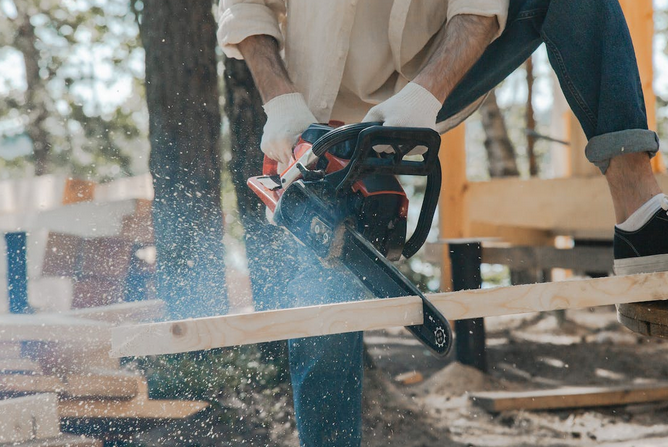
Sustainability is a fundamental consideration when selecting materials for your climate-resilient home. Choose materials with a low environmental impact throughout their lifecycle, from extraction or production to disposal. Look for renewable and recyclable materials, such as bamboo flooring, reclaimed wood, or recycled content insulation. Prioritize materials with third-party certifications, like Forest Stewardship Council (FSC) certification for responsibly sourced wood or Cradle to Cradle certification for products designed for circularity. Moreover, consider using materials with low embodied energy, which refers to the energy consumed during production and transportation. By prioritizing sustainability, you contribute to resource conservation and minimize the environmental footprint of your home.
Selecting the right materials for your climate-resilient home is crucial for durability, energy efficiency, sustainability, and overall resilience. Prioritize materials that offer durability and resistance against extreme weather conditions, ensuring long-term structural integrity. Opt for materials with excellent thermal performance to create an energy-efficient and comfortable indoor environment. Promote sustainability by choosing renewable, recyclable, and low-embodied energy materials. Finally, consider the local context, taking into account regional climate risks and building codes.