
Why Stem Length and Cut Matter in Floral Longevity
The lifespan of cut flowers depends on more than just water and sunlight; stem length and the way blooms are cut also play crucial roles in keeping arrangements fresh and vibrant. Properly trimmed stems allow flowers to absorb water efficiently, while angled cuts increase surface area and prevent blockages that can shorten their life. Local Florist arrangements ensure that stems are prepared with care, maximizing freshness and display longevity. Understanding how these small details affect flower health helps both casual gift givers and enthusiasts enjoy longer-lasting arrangements. This article explores why stem length and cutting techniques are essential for maintaining beautiful, thriving bouquets.
Proper Stem Length Supports Hydration and Stability
 Stem length plays a key role in hydration and structural support. Longer stems allow more water to reach the blooms, keeping the petals firm and vibrant. They also provide stability, making arrangements easier to shape without bending or breaking. Conversely, stems that are too short may struggle to supply adequate water, leading to drooping or premature wilting. Florists often tailor stem length to the type of flower, vase size, and arrangement design, ensuring that each bloom receives sufficient hydration while maintaining the intended visual balance. Proper length is a simple but effective way to extend floral life.
Cutting Techniques Improve Water Uptake
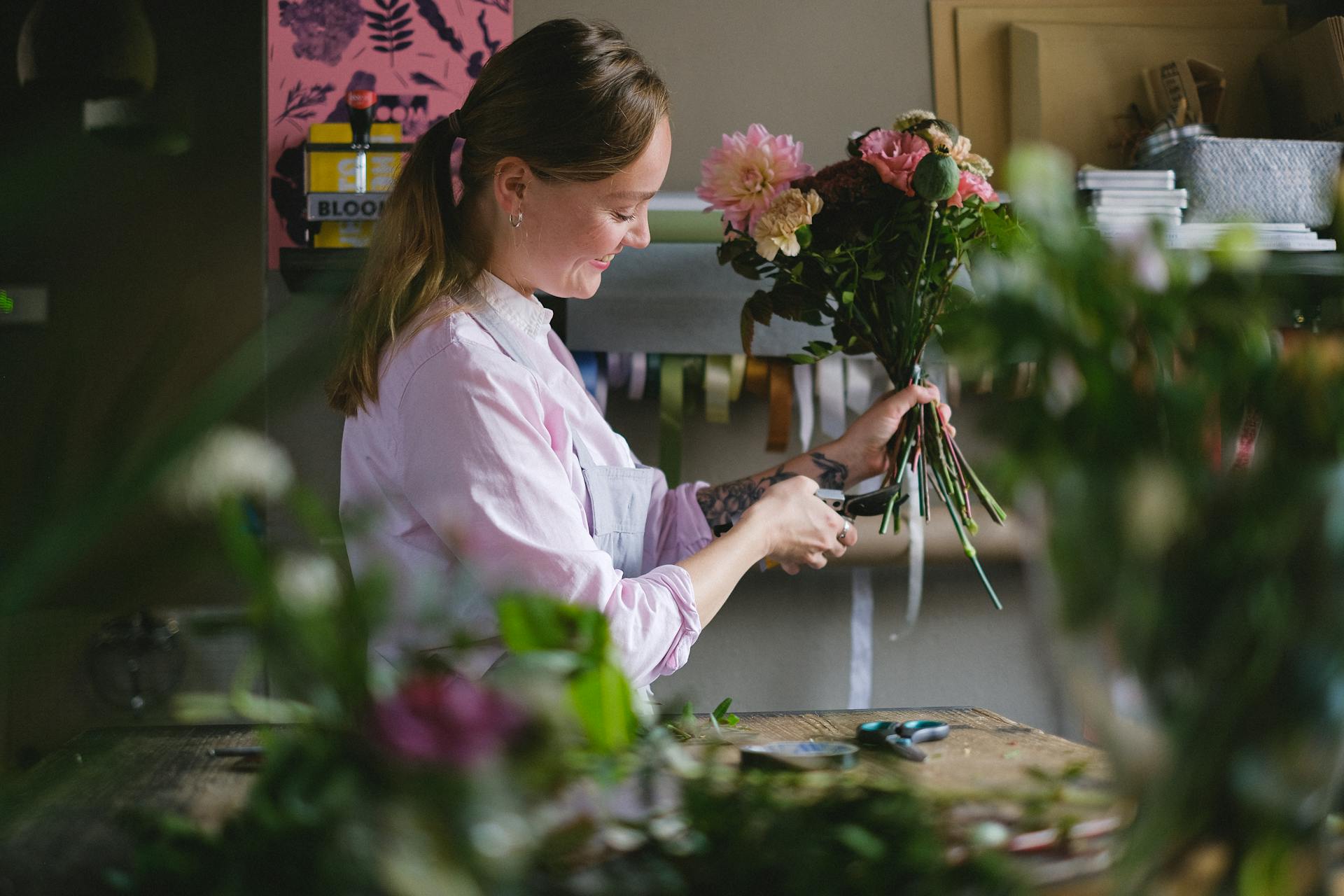
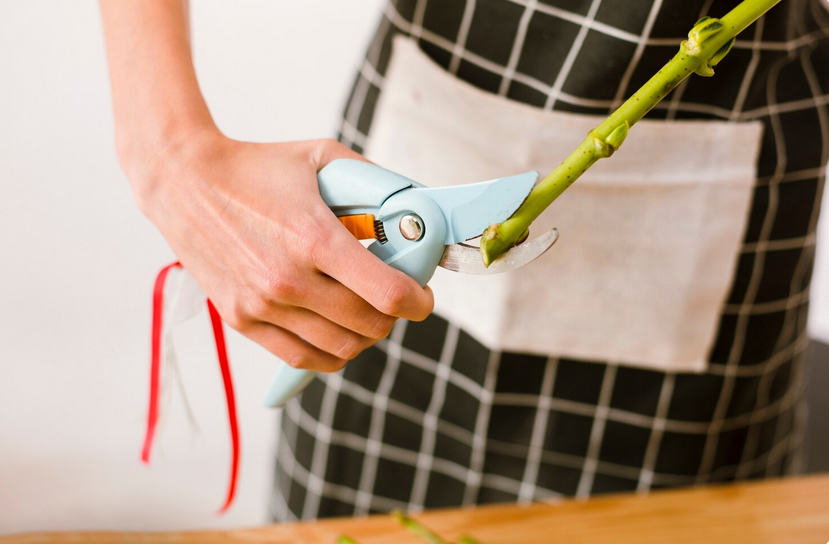
How a flower is cut is just as important as its length. Angled or diagonal cuts increase the surface area for water absorption, helping flowers draw in more moisture. Cutting stems underwater prevents air bubbles from forming, which can block water flow and shorten vase life. Florists often recut stems after transport or before arranging them to refresh the vascular system and remove any damaged tissue. Clean, precise cuts minimize stress on the flower and promote consistent hydration. This technique demonstrates that longevity is not just about keeping flowers wet but about ensuring water can reach the petals efficiently.
Removing Foliage and Preparing Stems
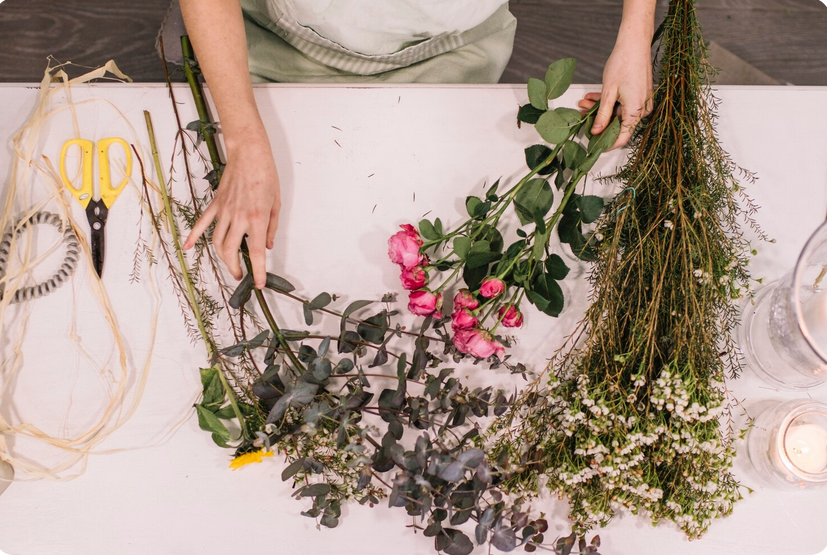
Preparing stems properly involves more than trimming length. Leaves that fall below the waterline can rot, introducing bacteria that block water flow and accelerate decay. Florists remove excess foliage before placing flowers in vases, thereby improving water quality and reducing the risk of early wilting. Combining leaf removal with proper cutting techniques maximizes the amount of water each flower can absorb. These small steps, taken together, extend bloom life and preserve the overall aesthetic of arrangements, ensuring that flowers remain vibrant for days longer than untreated stems.
Stem length and cutting techniques are critical factors in floral longevity. Longer stems ensure proper hydration and stability, while precise angled cuts and leaf removal support efficient water uptake and reduce bacterial growth. Professional attention to these details explains why florist arrangements consistently outlast casual home bouquets. By understanding and applying proper stem management, anyone can extend the lifespan of flowers, keeping them fresher and more vibrant longer. Small adjustments in handling make a big difference, turning a short-lived bouquet into a display that brings ongoing enjoyment.